EEH offers a range of ventilation upgrades — from IEV and dMEV units to trickle vents, draught proofing, and extractor fans — designed to be reliable, convenient, and environmentally friendly.
Click the options below to find the right fit for your home.
Involves placing individual units in different areas of your home, such as bathrooms, kitchens, or garages (or wetrooms, specific to IEV). These units directly extract moisture from the room and expel it outdoors, significantly reducing the risk of mould and ensuring breathable air.
The best type of ventilation for you and your home depends on various factors, including the size of your home, budget, age of the property and your specific ventilation needs - a qualified surveyor under EEH-Solutions can assist you with this.
While some proposed ventilation systems might introduce slightly cooler air, most modern systems (such as MVHR) have features like heat recovery or pre-heating options to mitigate this effect.
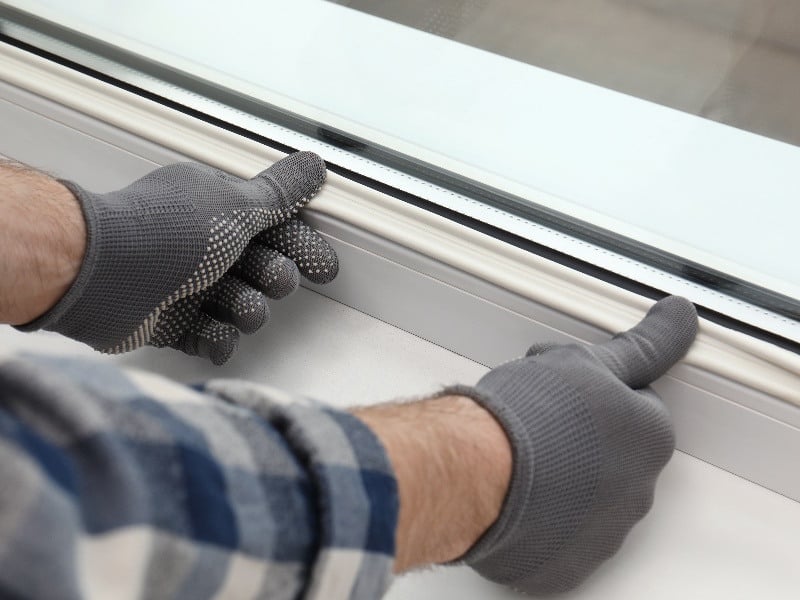
Trickle vents are discreet background ventilators that are integrated into window and door frames to allow a ‘trickle-feed’ of fresh air from the outdoors to your home.
This refers to the measures taken to seal unwanted gaps and cracks in the infrastructure of a building to prevent the uncontrolled flow of air that could lead to heat loss in the winter and unwanted heat gain in the summer.
The amount you can save wholly depends on the size of your home, type and existing insulation - however, an estimate would be in between £20 - £125 per year.
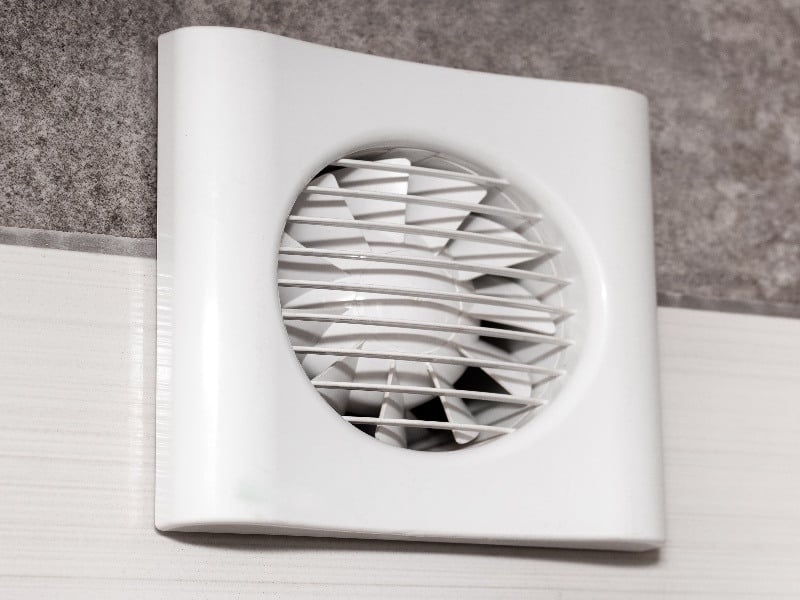
These are ventilation devices, vital in maintaining healthy air quality within your home, often installed in places like the kitchen and bathroom, it contributes to eliminating mould and mildew growth by filtering out moisture.
EEH-Solutions can assist you in choosing an extractor fan, though typically the right fan for you depends on room size, its intended purpose (such as in the bathroom or kitchen) and the desired extraction rate. For instance, you may choose a Non-Ducted extractor fan if you desire ventilation in the kitchen.
The frequency entirely depends on the room and its use. For instance, in bathrooms, you may run it during a bath or shower to remove excess steam. Whereas in a kitchen, you may run it while cooking to remove lingering odours.
It is possible, but you may require specialised permission or have to choose models that comply with specific aesthetic requirements. Seek advice from your local planning authority.




-1.png?width=1024&height=559&name=image%20(3)-1.png)
.png?width=1024&height=572&name=image%20(4).png)